
 Library Staff Directory
Posted Dec 8, 2025
Beginning in January of 2026, the Shorewood Conservation Committee will once again offer free screenings of several documentaries in the Shorewood Village Center. To complement the environmental themes associated with these films, Shorewood Public Library has gathered a list of related reads to go along with each film.
Offered below is that list, with summaries adapted from COUNTYCAT. Each title is available for checkout at the library!
For the film Kiss the Ground (screening 1/15/26, 6:00pm)
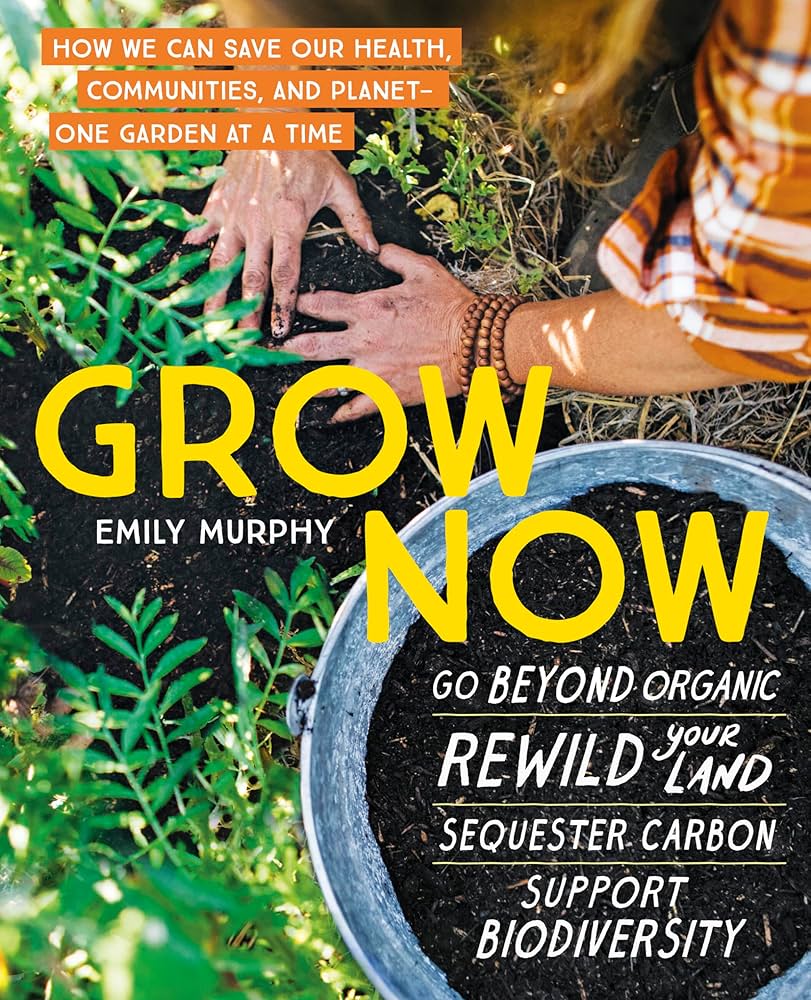 Grow Now: How We Can Save Our Health, Communities, and Planet One Garden at a Time by Emily Murphy
What is an easy, actionable way to put excess atmospheric carbon back in the ground and reduce our contributions to emissions and food waste? By creating our own "climate victory gardens." We now recognize that plots in towns and cities are critical to supporting planetary diversity, and by instituting organic, regenerative practices and growing some of our own food, we can sequester carbon as well as shift toward living in a more ecologically responsible way. This book will help families across the country to address eco-anxiety and participate in climate activism in a nurturing and positive way.
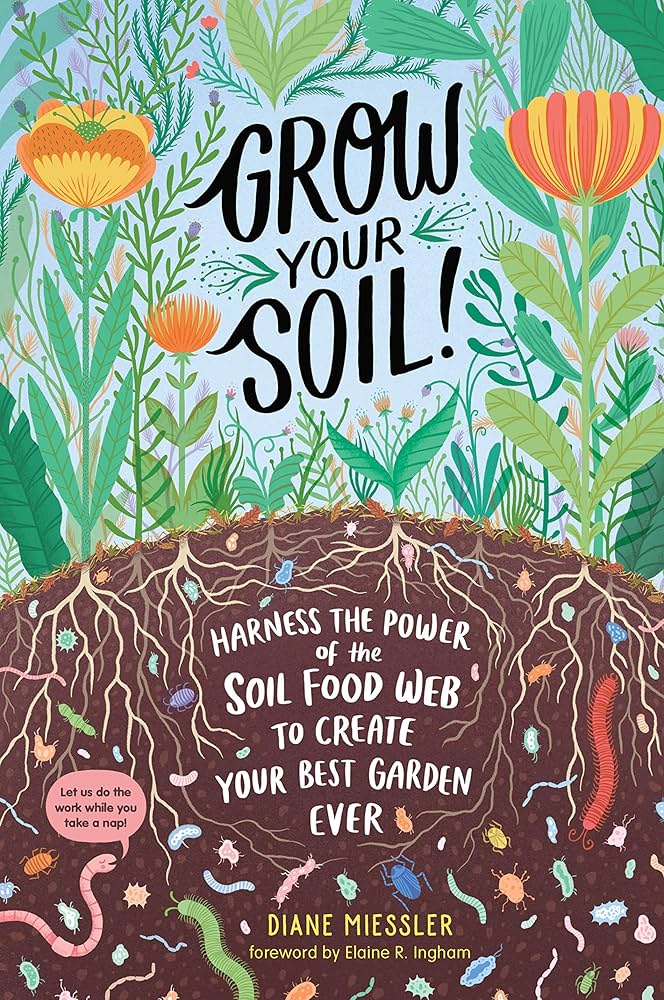 Grow Your Soil!: Harness the Power of the Soil Food Web to Create Your Best Garden Ever by Diane Miessler
Growing awareness of the importance of soil health means that microbes are on the minds of even the most casual gardeners. It is possible to create and maintain rich, dark, crumbly soil that's teeming with life, using very few inputs and a no-till, no-fertilizer approach. Certified permaculture designer and lifelong gardener Diane Miessler presents the science of soil health in an engaging, entertaining voice geared for the backyard grower. She shares the techniques she has used — including cover crops, constant mulching, and a simple-but-supercharged recipe for compost tea — to transform her own landscape from a roadside dump for broken asphalt to a garden that stops traffic, starting from the ground up.
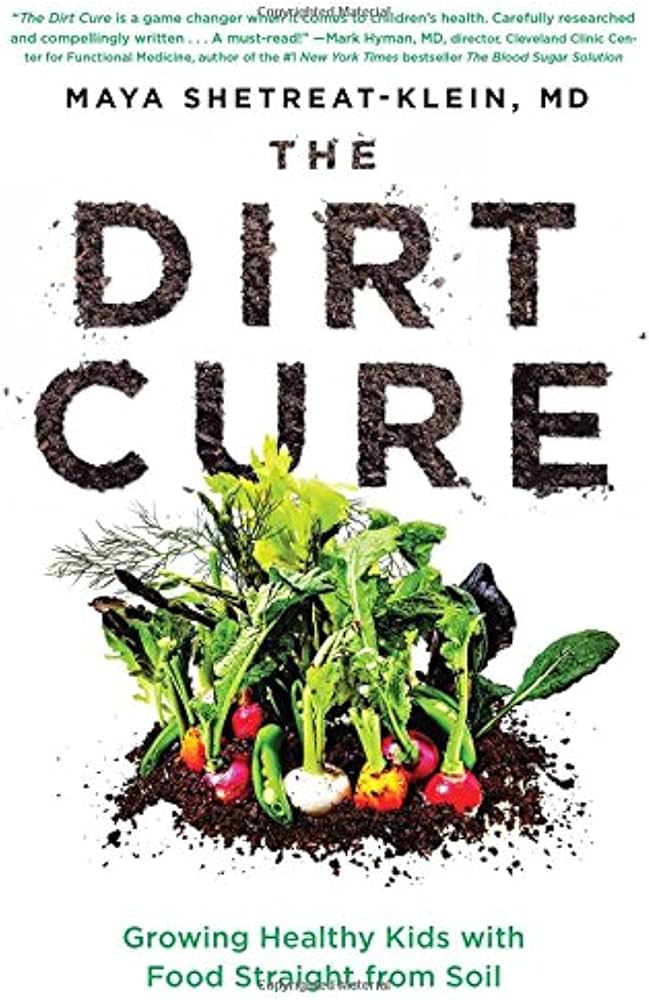 The Dirt Cure: Growing Healthy Kids With Food Straight From Soil by Maya Shetreat-Klein
New studies show the dramatic rise of chronic disease in children — from allergies and ADHD to mental illnesses and obesity. A traditionally trained pediatric neurologist and a parent herself, Dr. Maya encountered the limits of conventional medicine when her son suffered a severe episode of asthma on his first birthday and began a backward slide in his development. Treatments failed to reverse his condition, so Dr. Maya embarked on a scientific investigation, discovering that food was at the root of her son's illness, affecting his digestive system, immune system, and brain. The solution was shockingly simple: Heal the food, heal the gut, heal the brain...and heal the child.
For the film All Too Clear (screening 1/29/26, 6:00pm)
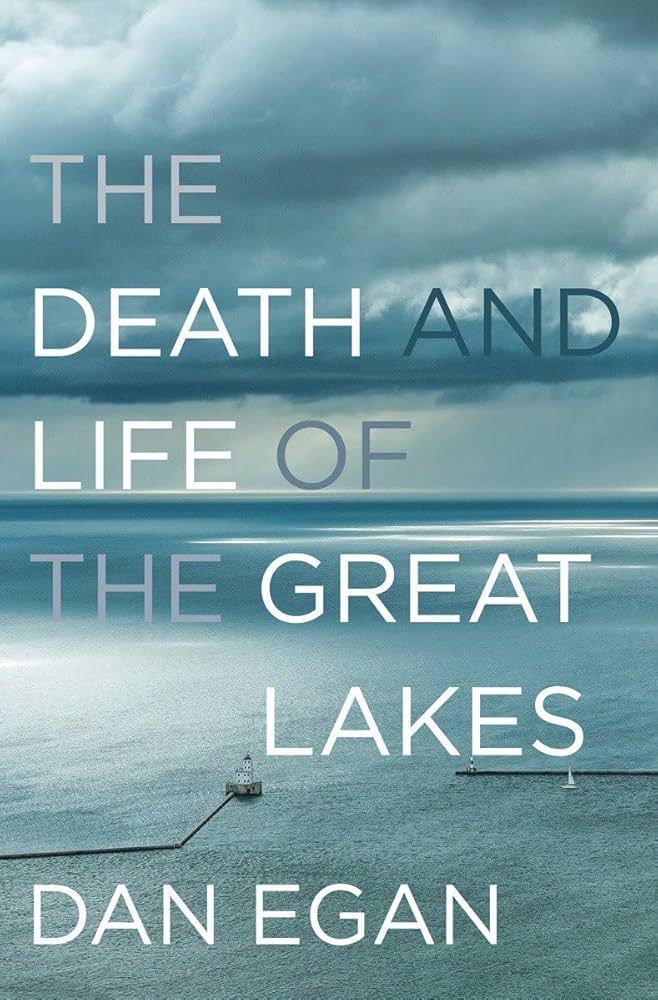 The Death and Life of the Great Lakes by Dan Egan
The Great Lakes — Erie, Huron, Michigan, Ontario, and Superior — hold 20 percent of the world's supply of surface fresh water and provide sustenance, work, and recreation for tens of millions of Americans. But they are under threat as never before, and their problems are spreading across the continent. This book is a compulsively readable portrait of an ecological catastrophe happening right before our eyes, blending the epic story of the lakes with an examination of the perils they face and the ways we can restore and preserve them for generations to come.
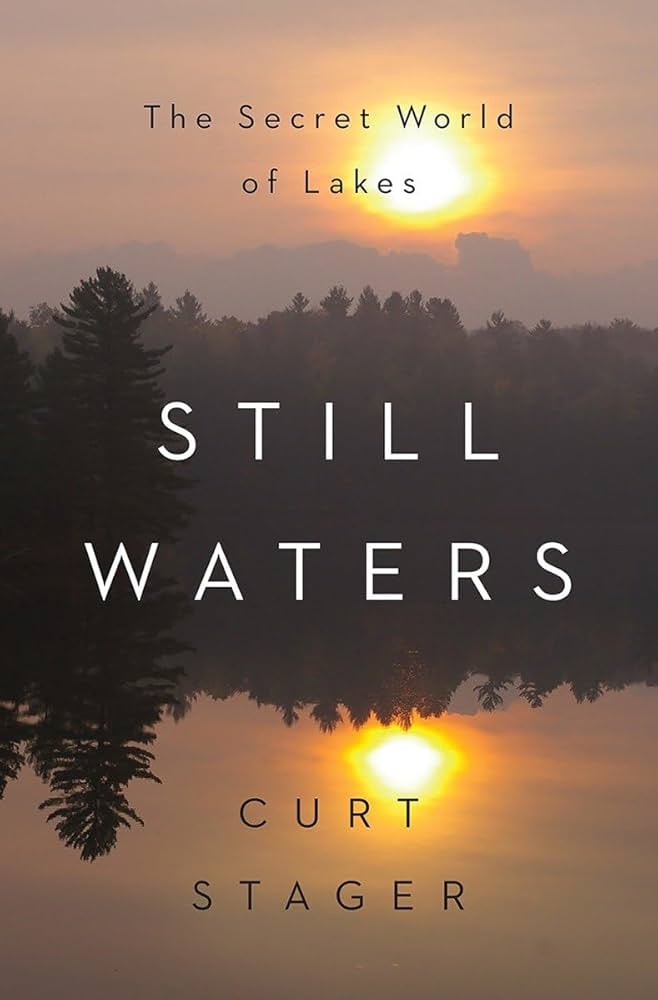 Still Waters: The Secret World of Lakes by Curt Stager
Lakes are changing rapidly, not because we are separate from nature but because we are so much a part of it. While many of our effects on the natural world today are new, our connections to it are ancient, as core samples from lake beds reveal. Through decades of firsthand investigations, Stager examines the significance of our impacts on some of the world's most iconic inland waters. Along the way he discovers the stories these lakes contain about us, including our loftiest philosophical ambitions and our deepest myths. For him, lakes are not only mirrors reflecting our place in the natural world but also windows into our history, culture, and the primal connections we share with all life. Still Waters reminds us how beautiful, complex, and vulnerable our lakes are, and how, more than ever, it is essential to protect them.
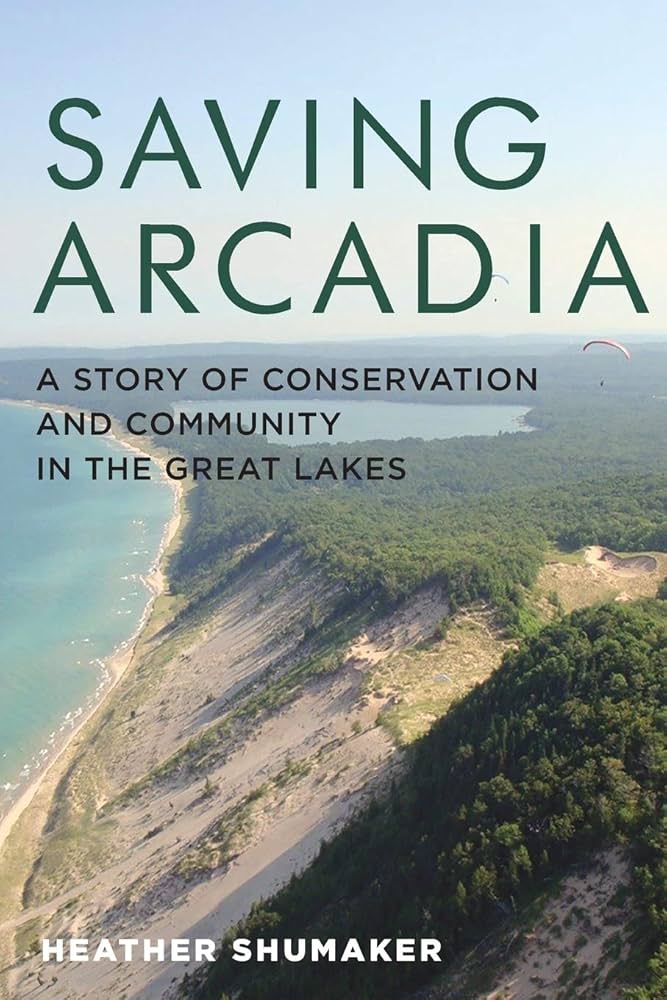 Saving Arcadia: A Story of Conservation and Community in the Great Lakes by Heather Shumaker
This is the story of a small band of determined townspeople and how far they went to save beloved land and endangered species from the grip of a powerful corporation in the Arcadia Dunes. This is a narrative with roots as deep as the trees the community is trying to save, something set in motion before the author was even born. And yet, Shumaker gives a human face to the changing nature of land conservation in the twenty-first century. The result is a triumph of community that includes working farms, local businesses, summer visitors, year-round residents, and a network of land stewards. A work of creative nonfiction, Saving Arcadia is the adventurous tale of everyday people fighting to reclaim the land that has been in their family for generations. It explores ideas about nature and community, and anyone from scholars of ecology and conservation biology to readers of naturalist writing can gain from Arcadia's story.
For the film Saving the Dark (screening 2/12/26, 6:00pm)
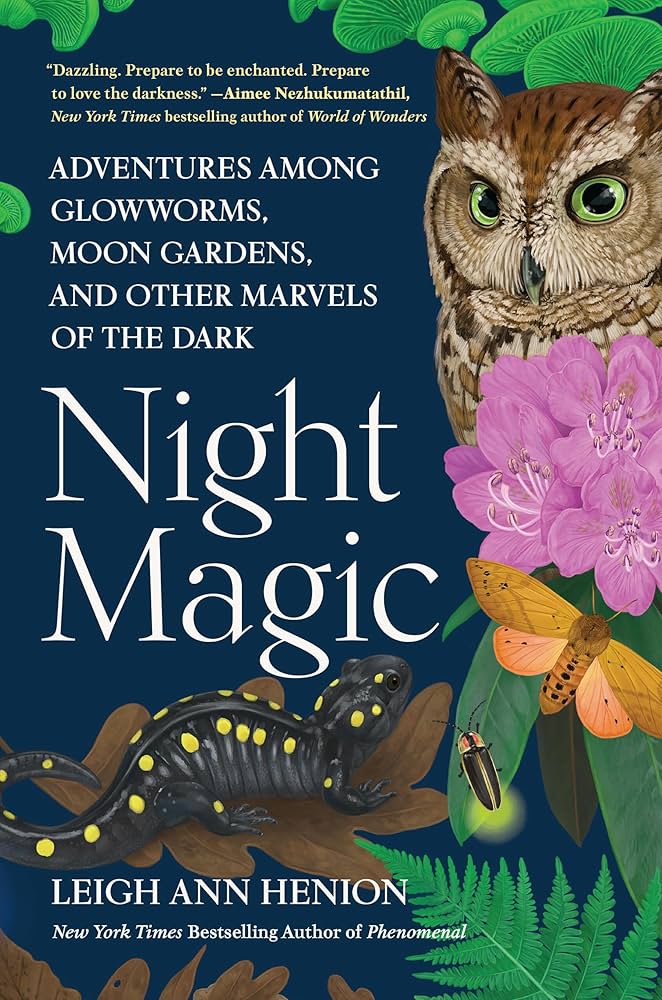 Night Magic: Adventures Among Glowworms, Moon Gardens, and Other Marvels of the Dark by Leigh Ann Henion
In this glorious celebration of the night, we are invited to step outside and embrace the dark as a profoundly beautiful part of the world we inhabit. No matter where we live, we are surrounded by animals that rise with the moon, and blooms that reveal themselves as light fades. Henion explores her home region of Appalachia, where she attends a synchronous firefly event in Tennessee, a bat outing in Alabama, and a moth festival in Ohio. In North Carolina, she finds forests alight with bioluminescent mushrooms, neighborhood trees full of screech owls, and valleys teeming with migratory salamanders. Along the way, Henion encounters naturalists, biologists, primitive-skills experts, and others who've dedicated their lives to cultivating relationships with darkness. We do not need to stargaze into the distant cosmos or dive into the depths of oceans to find awe in the dark. There are dazzling wonders in our own backyards.
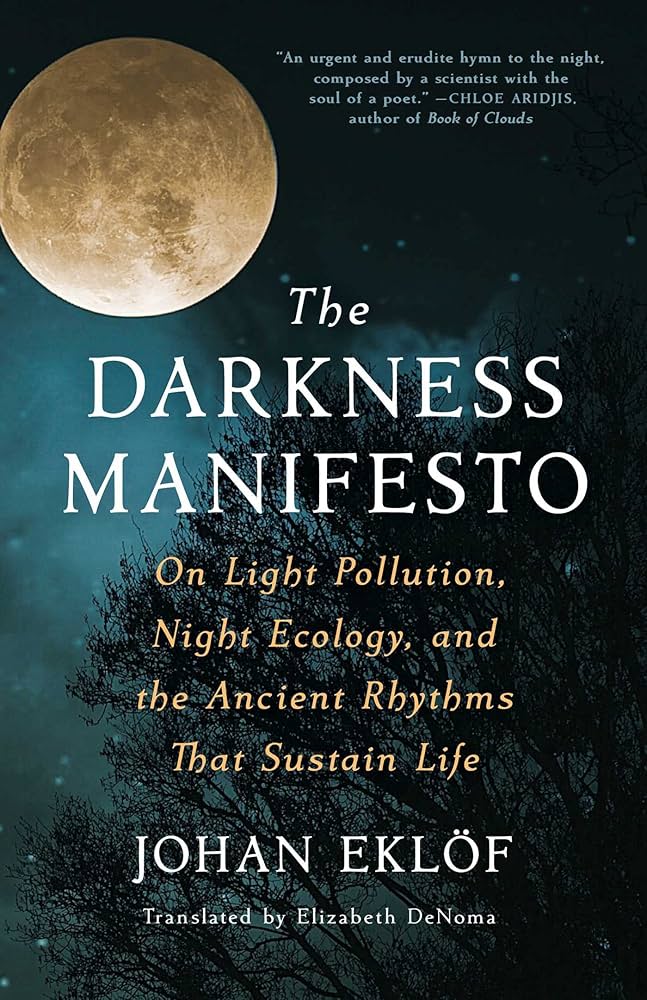 The Darkness Manifesto: On Light Pollution, Night Ecology, and the Ancient Rhythms That Sustain Life by Johan Eklöf
How much light is too much light? Satellite pictures show our planet as a brightly glowing orb, and in our era of constant illumination, light pollution has become a major issue. The world's flora and fauna have evolved to operate in the natural cycle of day and night. But in the last 150 years, we have extended our day — and in doing so have forced out the inhabitants of the night and disrupted the circadian rhythms necessary to sustain all living things, including ourselves.
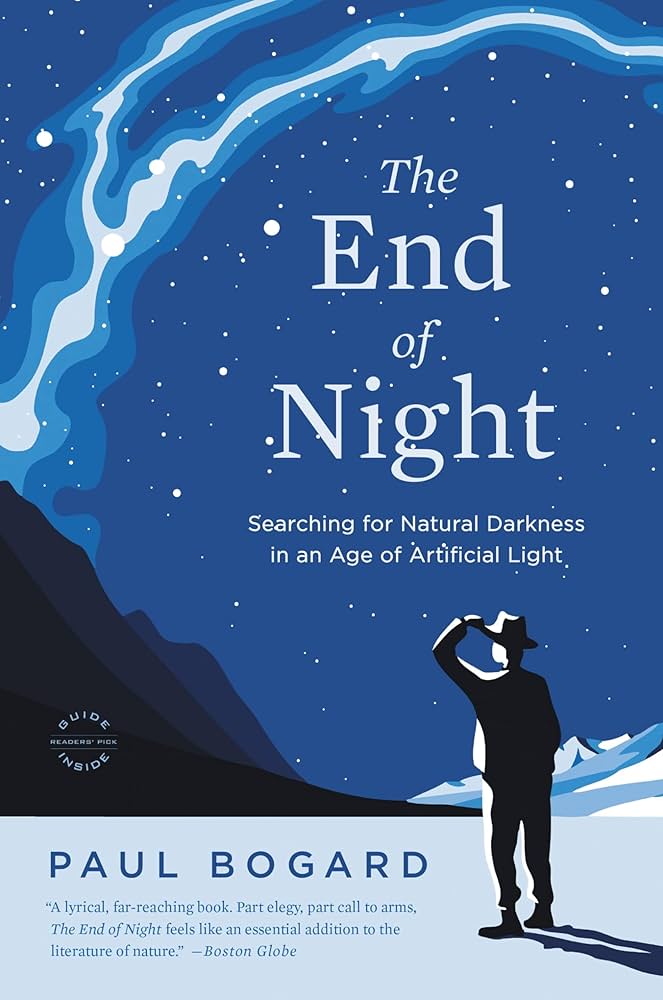 The End of Night: Searching for Natural Darkness in an Age of Artificial Light by Paul Bogard
A starry night is one of nature's most magical wonders. Yet in our artificially lit world, three-quarters of Americans' eyes never switch to night vision and most of us no longer experience true darkness. In The End of Night, Paul Bogard restores our awareness of the spectacularly primal, wildly dark night sky and how it has influenced the human experience across everything from science to art. From Las Vegas' Luxor Beam — the brightest single spot on this planet — to nights so starlit the sky looks like snow, Bogard blends personal narrative, natural history, science, and history to shed light on the importance of darkness -- what we've lost, what we still have, and what we might regain.
Share This: